


Stellest Follow-Ups: How We Track Your Child’s Myopia
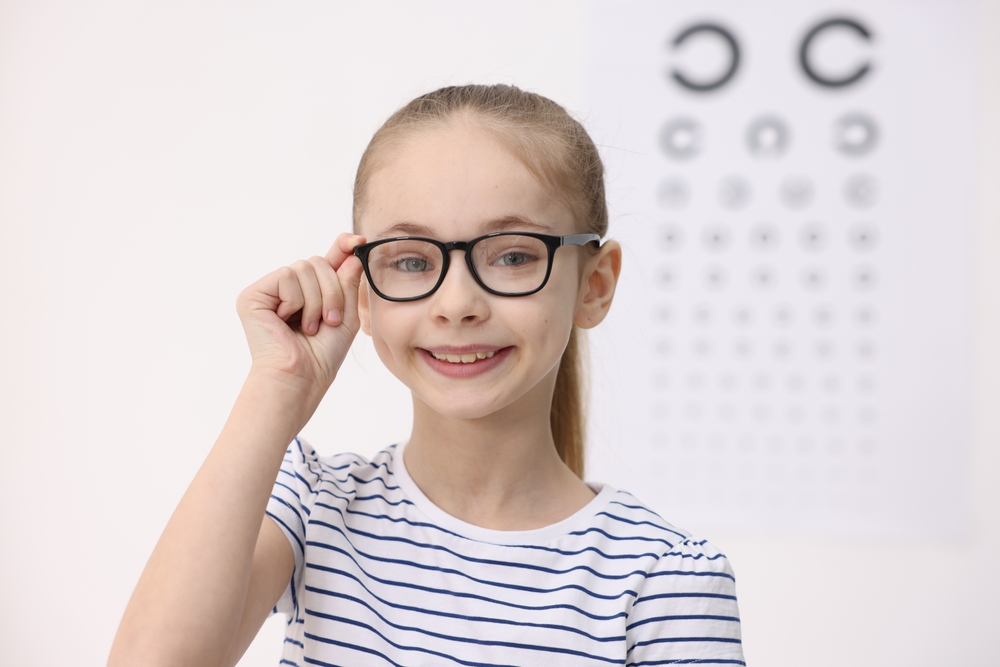
Starting Stellest lenses is an important step in managing your child's nearsightedness, but regular follow-up visits are just as important as the lenses themselves. At Roosevelt Vision in Seattle, WA, we monitor your child's vision, prescription changes, and eye growth to evaluate how well their myopia management plan is working. These appointments allow us to make adjustments as their eyes continue to develop.
Why Are Follow-Up Visits Important With Stellest Lenses?
Stellest lenses are designed to correct nearsightedness while helping slow myopia progression in children. Unlike traditional single-vision glasses, these specialized lenses use Highly Aspherical Lenslet Target (H.A.L.T.) technology to help manage how the eye grows.
Although Stellest lenses have demonstrated effectiveness in clinical studies, results can vary between children. Regular follow-ups allow us to track changes over time rather than relying only on whether your child can see clearly. At our Seattle office, we take a personalized approach to monitoring myopia so parents understand their child's progress and what to expect moving forward.
What Do We Check During Follow-Up Appointments?
During myopia management follow-ups, we evaluate several factors to determine whether your child's lenses continue to meet their visual needs.
Our assessments may include:
• Prescription Changes: We measure your child's refractive error to identify whether their nearsightedness has increased since their previous appointment.
• Axial Length Measurements: We may measure the length of the eye to monitor eye growth, which is closely associated with myopia progression.
• Visual Clarity: We check how clearly your child sees at different distances while wearing their Stellest lenses.
• Lens Wear and Comfort: We discuss how consistently your child wears their glasses and check whether the frames fit properly.
By comparing these findings with previous measurements, we can better understand how your child's myopia is progressing and whether adjustments are necessary.
How Often Should Children Have Follow-Ups?
Children wearing Stellest lenses generally benefit from regular monitoring throughout treatment. An initial follow-up may be recommended approximately two weeks after receiving the glasses to assess comfort, adaptation, and frame fit. Afterward, myopia progression is typically evaluated every six months, depending on your child's individual needs.
During these appointments at Roosevelt Vision, we review prescription changes, evaluate eye health, and determine whether the current lenses remain appropriate. Some children may need more frequent visits, particularly if their prescription is changing rapidly or they experience difficulties with their glasses.
What Happens if Your Child's Myopia Continues to Progress?
Stellest lenses are designed to slow myopia progression, not stop it completely. Some prescription changes may still occur as your child grows. If we identify continued progression, we review their measurements, wearing habits, and overall treatment response. We may recommend updating their prescription or discussing other myopia management options when appropriate.
Consistent lens wear also plays an important role. We encourage parents to help their children follow their recommended wearing schedule and contact us if their glasses become uncomfortable or their vision changes between visits.
Schedule Your Child's Stellest Follow-Up in Seattle
If your child is wearing Stellest lenses or you want to learn more about managing their nearsightedness, schedule an eye exam with Roosevelt Vision. Visit our office in Seattle, WA, or call (206) 527-2987 to book an appointment and help us stay on top of your child's changing vision.

All Eye
Care Services
Keep
In Touch

© 2026 Roosevelt Vision. All rights Reserved. Accessibility Statement - Privacy Policy - Sitemap
Managed and Designed by
