


Polarization vs. UV Protection: The Science Behind Choosing Safe Sunglasses for Summer in Seattle
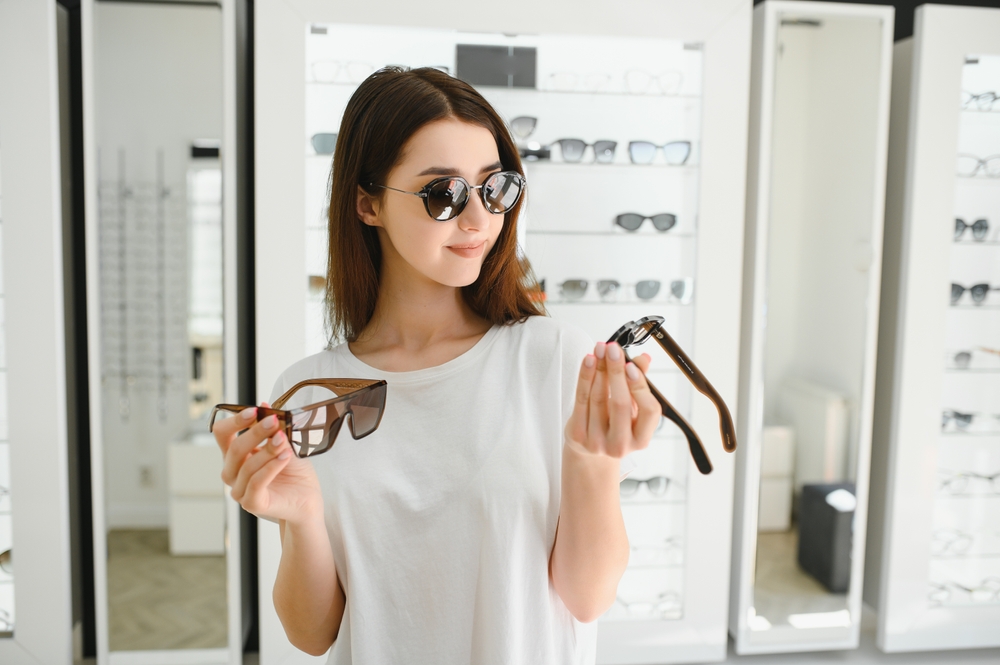
Sunglasses are an essential part of protecting your vision during Seattle’s brighter summer months. However, terms such as “polarized” and “UV protection” are often treated as if they mean the same thing. They serve different purposes, and understanding the difference can help you choose sunglasses that provide both visual comfort and reliable eye protection.
What Does UV Protection Do?
Ultraviolet protection helps prevent UVA and UVB rays from reaching sensitive structures within and around your eyes. These rays are invisible, so a lens can appear dark without providing adequate protection.
For dependable coverage, look for sunglasses labeled UV400 or designed to block 99 to 100 percent of UVA and UVB radiation. UV protection remains important on cloudy Seattle days because ultraviolet rays can still reach your eyes when the sun is less visible.
The darkness or color of a lens does not determine how much UV radiation it blocks. A lightly tinted lens with verified UV protection may be safer than a very dark lens without a clear UV rating.
How Do Polarized Lenses Work?
Polarized lenses are designed to reduce glare created when sunlight reflects from flat surfaces. This includes water, wet roads, pavement, vehicle hoods, and windows. A specialized filter within the lens limits reflected light from entering your eyes at certain angles.
For Seattle residents, polarized sunglasses can be especially useful while driving after rainfall, spending time near Lake Washington or Puget Sound, boating, hiking, or enjoying other outdoor activities. Reduced glare may improve visual clarity, contrast, and comfort in bright conditions.
What Should You Look for in Summer Sunglasses?
When comparing sunglasses in Seattle, consider more than frame style or lens darkness. Important features include:
• UV400 or 99 to 100 percent UVA and UVB protection
• Polarized lenses for activities involving water, roads, or reflective surfaces
• Frames that fit securely and provide good coverage around the eyes
• Prescription lenses when clear distance vision is needed
• Durable lens materials suited to your lifestyle and activities
Wraparound or larger frames may also limit sunlight entering from the sides. This can provide additional comfort during long summer days outdoors.
Do You Need Both Polarization and UV Protection?
UV protection should be the priority because it addresses ultraviolet exposure. Polarization is an additional feature that improves comfort and reduces glare. For many people, sunglasses that include both features offer the most practical combination for driving, outdoor recreation, and daily summer wear.
Your prescription, light sensitivity, visual needs, and preferred activities can all affect which lenses are right for you. At Roosevelt Vision, we can help you compare lens options and select sunglasses that support your vision while complementing your personal style.
Schedule an eye exam at Roosevelt Vision to find safe, comfortable sunglasses for summer. Contact our office in Seattle, Washington, by calling (206) 527-2987 to book an appointment today.
All Eye
Care Services
Keep
In Touch


© 2026 Roosevelt Vision. All rights Reserved. Accessibility Statement - Privacy Policy - Sitemap
Managed and Designed by
