


Eye Allergies (Allergic Conjunctivitis): Symptoms, Causes, and Treatments
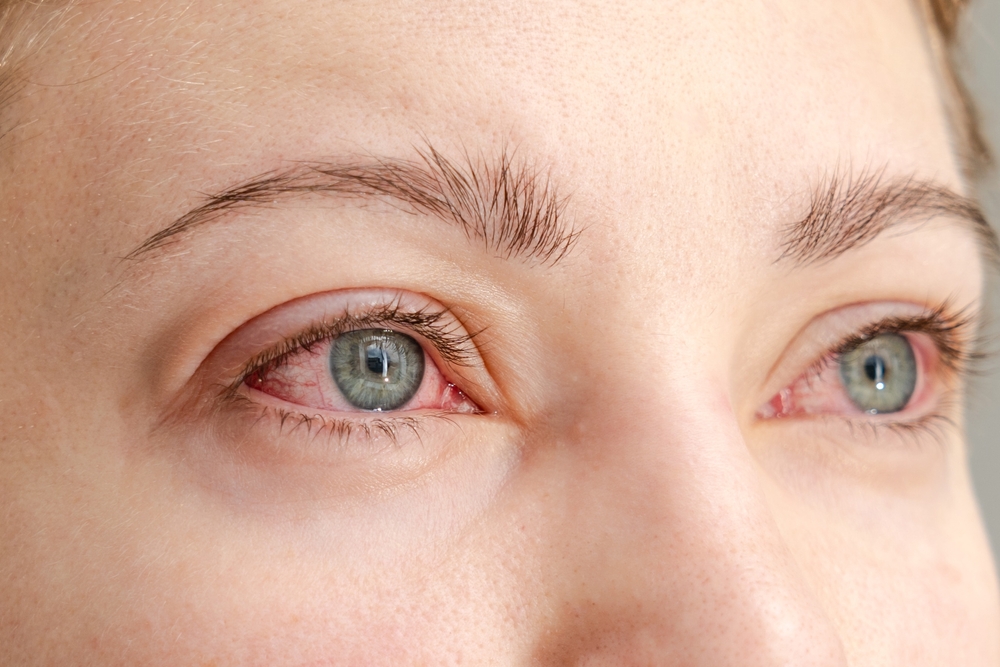
Eye allergies, also known as allergic conjunctivitis, can make everyday life uncomfortable with itching, redness, watering, and irritation. In Seattle, changing seasons, pollen, dust, and other environmental triggers can all contribute to flare-ups. At Roosevelt Vision, we help patients find the cause of their symptoms and recommend treatment options that support clearer, more comfortable vision.
What Are Eye Allergies?
Allergic conjunctivitis happens when the eyes react to allergens such as pollen, mold, dust mites, or animal dander. Unlike an eye infection, eye allergies are not contagious. Eye allergies can make the eyes look red, feel itchy, and water more than usual, especially during times of higher allergen exposure.
Common Symptoms to Watch For
Eye allergy symptoms can range from mild to disruptive. Many patients in Seattle notice symptoms in both eyes at the same time. Common signs include:
• Itching
• Redness
• Watering
• Burning or stinging
• Puffy eyelids
• Stringy mucus
• Light sensitivity
If symptoms are strong, ongoing, or affect your vision, it is worth having your eyes evaluated instead of assuming it is only seasonal irritation.
What Causes Allergic Conjunctivitis?
The most common cause of allergic conjunctivitis is exposure to allergens. That may include seasonal pollen, indoor dust, pet dander, and environmental irritants. When the immune system reacts to these triggers, the eyes release chemicals such as histamine, which leads to itching, redness, and swelling. Some patients also notice that smoke, fragrance, or air pollution make symptoms feel worse even if those are not the main allergy source.
How Eye Allergies Are Different From Dry Eye or Infection
Eye allergies can overlap with other eye problems, which is why an eye exam matters. Allergic conjunctivitis usually causes itching and watery eyes. Dry eye often causes burning, fluctuating vision, and irritation without the same level of itching. Eye infections may bring thicker discharge, pain, or symptoms that start in one eye and spread. For Seattle patients, getting the right diagnosis is important because the wrong treatment may not bring relief.
Treatment Options For Relief
Treatment for eye allergies depends on the cause and severity. Mild cases may improve with cold compresses, artificial tears, and limiting exposure to triggers. Other cases may need allergy eye drops that reduce itching and inflammation.
At Roosevelt Vision in Seattle, we may also look at whether contact lenses, dry eye, or another eye condition is making symptoms worse. A personalized treatment plan can make a big difference when symptoms keep returning.
Get Personalized Care for Your Symptoms
You should schedule an exam if your eye allergies keep coming back, interfere with daily life, or do not improve with simple at-home care. Blurry vision, significant redness, pain, or swelling should also be evaluated promptly. Our eye doctors on Seattle provide personalized eye care and advanced treatment options for a wide range of eye concerns.
If you’re experiencing eye allergy symptoms, schedule an eye exam at Roosevelt Vision to learn more about treatment options. Visit our office in Seattle, Washington, or call (206) 527-2987 to book an appointment today.
All Eye
Care Services
Keep
In Touch


© 2026 Roosevelt Vision. All rights Reserved. Accessibility Statement - Privacy Policy - Sitemap
Managed and Designed by
